Analogue video artwork NO TOUCH Land explores family history
July 2025, interview
Every two months, Vertical Video presents a new video work in Amare’s public space. In July and August, the featured piece is NO TOUCH Land. We asked the artist, Izzy Lee, five questions to find out more about the piece.
In July and August your video artwork will be on display Amare. Can you tell us more about its meaning?
The title NO TOUCH Land comes from Korean history, meaning something so precious that locals wished to keep it untouched by outsiders, like their gold or land.
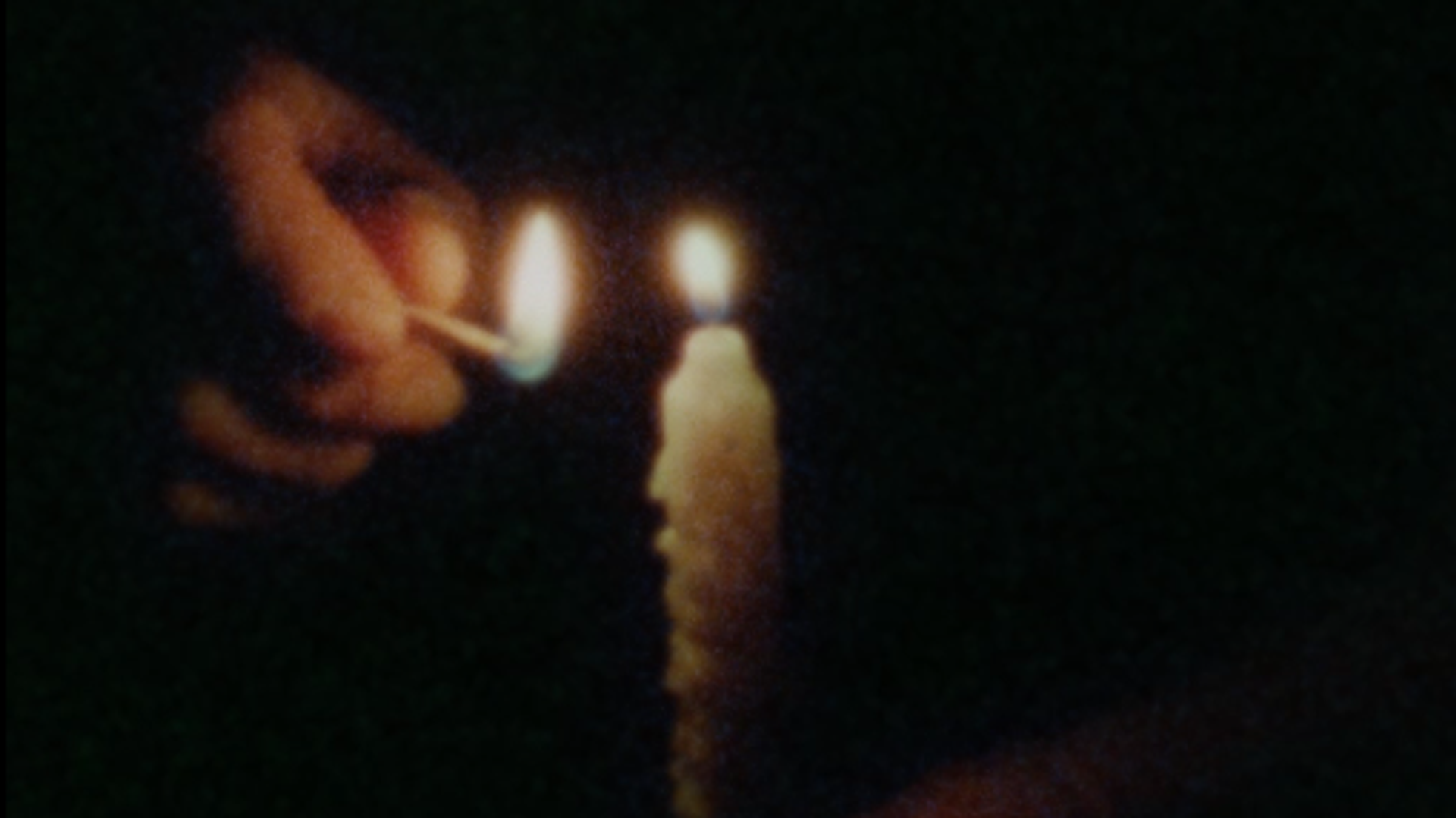
NO TOUCH Land is an autobiographical fiction in the form of a 16mm analog film. It explores themes of displacement, and the haunting presence of history. The video combines the raw, tactile quality of analog film with digital to show transitions between past and present, and between the real and imagined. These contrasting media reflect how fragmented and transitional things can feel.
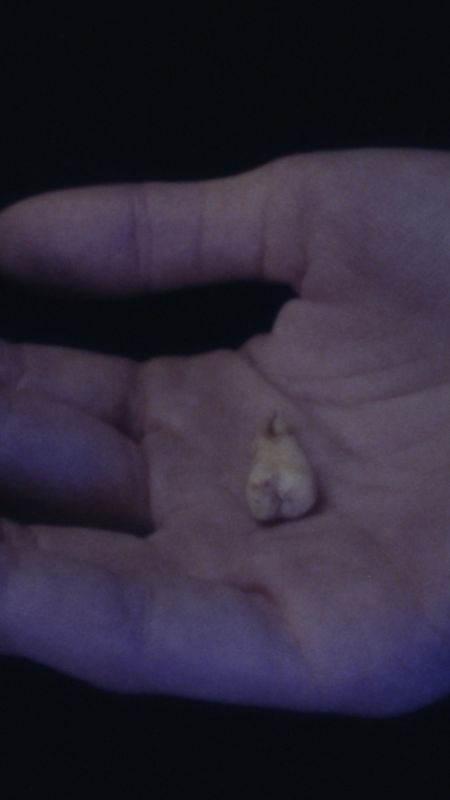
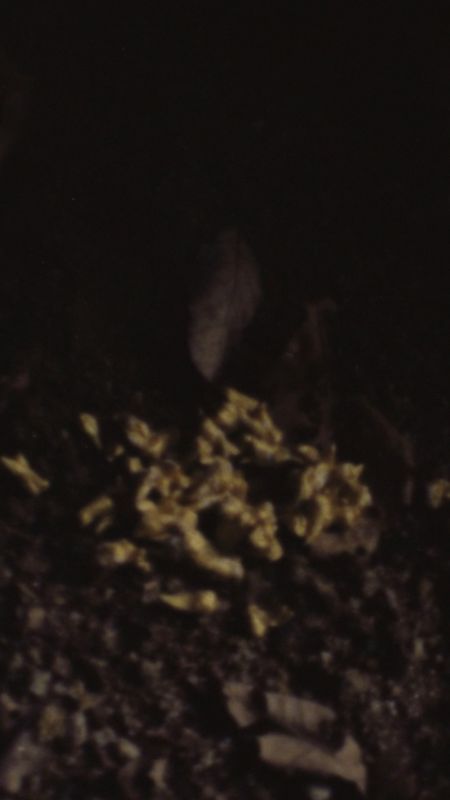
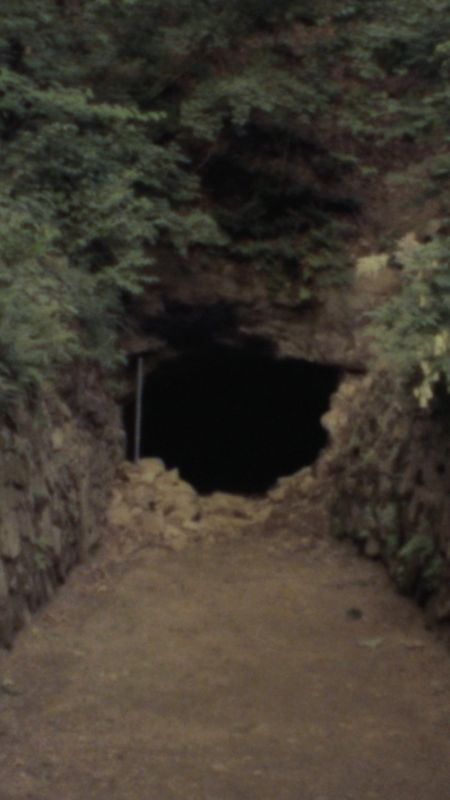
The film is set in my family’s hometown, an abandoned mining village marked by historic gold rushes and buried money scandals. This place functions as a kind of portal, connecting timelines and generations while carrying a sense of displacement. The film reflects on the effects of extraction and displacement that are still present– visible in the land, in people, and in memory. It links personal ancestry to larger political and environmental histories.
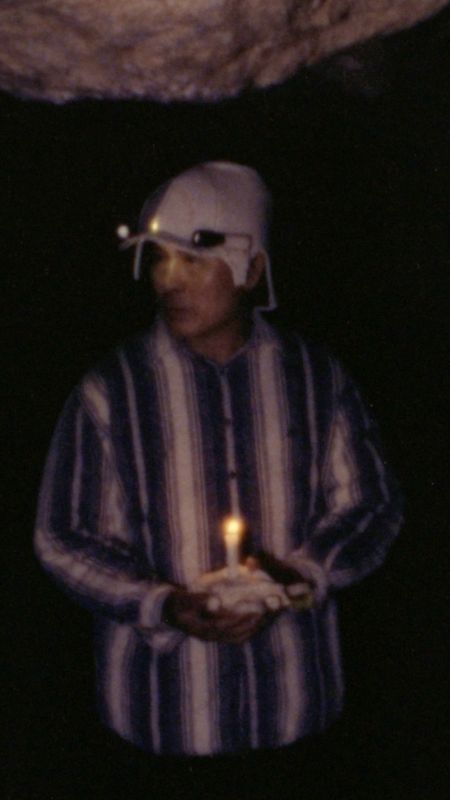
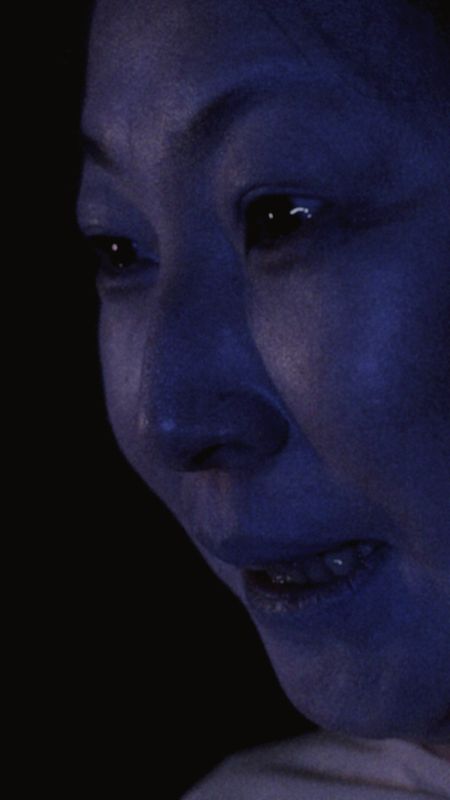
In NO TOUCH Land, I appear as one of the three protagonists– an ancestor ghost, a younger version of my father, and myself. By integrating historical and personal elements, the film builds a layered timeline. As someone who is both connected to and distanced from the place, I navigate it with an intimate but detached perspective, retracing it through images.
Is there a connection between Amare and your artwork?
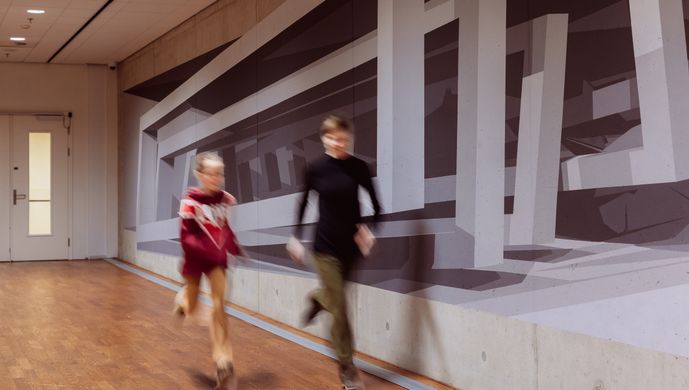
Showing work in Amare’s public space made me consider how to communicate something quickly, in a way that catches the attention of people passing by. It is a different situation from showing video in a dark, enclosed space where people are focused for a longer time.
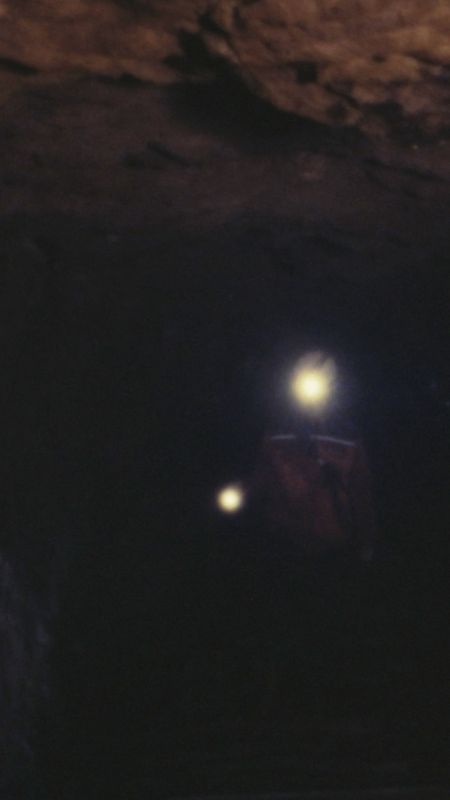
This Vertical Video projection aligns with my initial idea of looking into this town like a portal. The contrast between the bright, open space of Amare and the dark video, which moves between inside and outside of a cave, creates different visual dimensions– like shining a flashlight into a dark space.
The enlarged figures on the wall acts both as symbols and as presences within the space. It invites viewers to look at both the space within the video and the physical space of the Amare building. This shift in scale helps draw the attention of passers-by.
Can you tell us more about the creation process?
I wanted to work with analog film for this project because the process felt right for something autobiographical. The filming itself became a big part of the project.
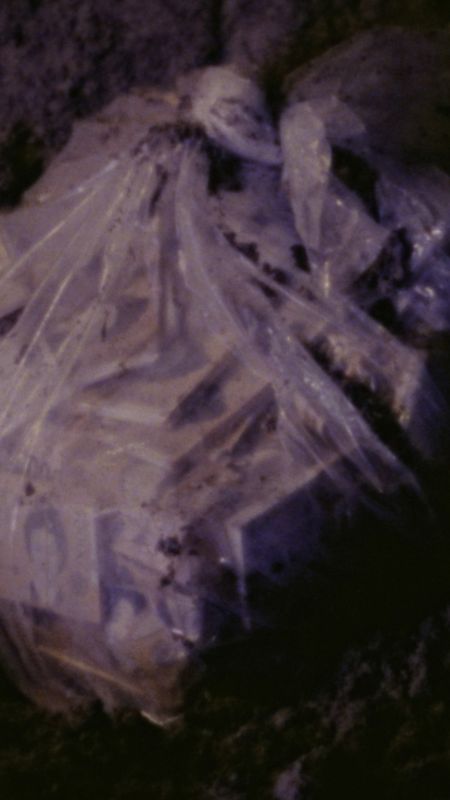
It was challenging to shoot inside an old gold mining cave. The conditions– dust, humidity, temperature shifts, and total darkness– made it difficult. My main concern was keeping the film clean and dry, and avoiding sudden temperature changes. After shooting, I had to unload the film, seal it from light, and let it slowly adapt to the outside temperature. I kept it in a bag inside the cave until the end of the day and then carefully carried everything out. This process made me feel like the film itself was something fragile and alive. Things didn’t always go as expected, sometimes the results were disappointing, sometimes unexpectedly good.
Once the film rolls were exposed, they had to be developed and scanned into digital file. The final image depended not only on how I shot it but also on how it was processed. Sometimes things went wrong. One time, a lab mishandled the development leaving stains on the film. Not being able to see any footage while shooting was frustrating, but it also opens space to imagine how things might turn out. The delay between filming and seeing the results became part of the way I thought about building the story.
The whole process requires patience and flexibility. It was also physically demanding. I had to dissect every step of making a moving image. But at the same time, it was rewarding to scrutinize the process and witness the beauty of these intimate images.
What else do you do as an artist and where does your inspiration come from?
In my work, I like to combine different media like audiovisual works and sculptures to create narratives of beings with female bodies. A recurring approach is creating characters who exist in-between spaces, blending reality with fiction. Making ceramics and prosthetics for my characters helps give form to the stories. Sometimes, working only with video feels too intangible, so creating physical installations and sculptures balance that. It also expands how I can express ideas and create a sensorial experience.
I’m interested in narratives about otherness, through the eyes of "female aliens". My inspiration often comes from science fiction, especially feminist sci-fi, and from reflection on the extraordinary qualities of spaces– nature and urban– affect how we experience the world. I also draw from body horror films, which deal with feelings of unease and transformation, both physical and emotional.
What do you hope passers-by and visitors take away from your video artwork?
I hope my video makes people pause, even briefly. Each frame of an analog film is a handcrafted image, and there’s something magical about that. My wish is that viewers sense the layered histories embedded in the images and in the materials– the connections between land, body, memory and time.
If the work sparks a fleeting sense of curiosity, disorientation, or wonder about something that lingers as they move on, that would be meaningful to me.
Discover more about Izzy Lee and about Vertical Video
More Amare Stories