
Bodies full of life experience: choreographer Meryl Tankard on Pina Bausch’s Kontakthof – Echoes of ’78
9 October 2025, interview
By Amare Editorial Team
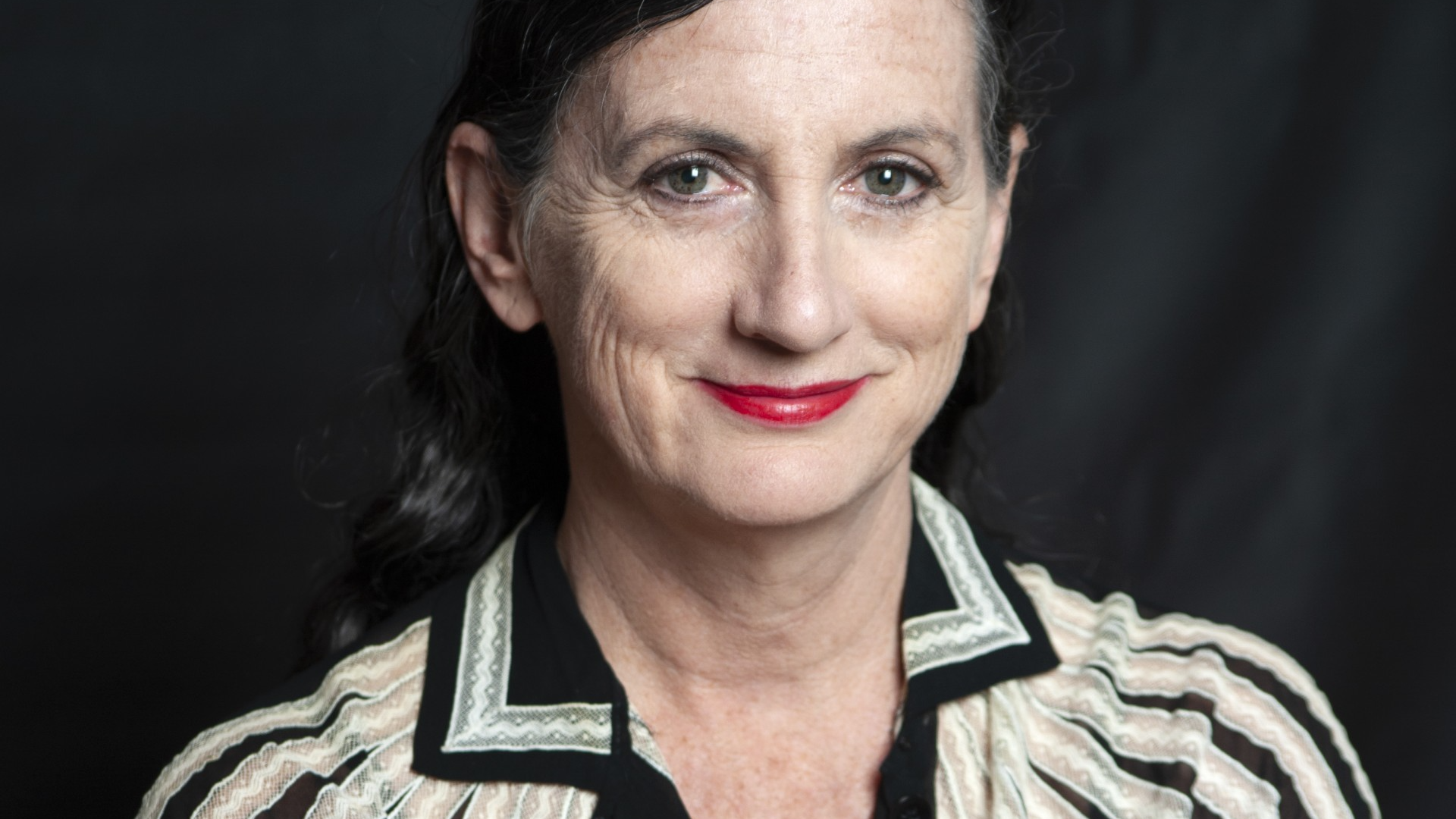
Australian choreographer and dancer Meryl Tankard (1955) talks about her new interpretation of Pina Bausch’s Kontakthof, which will be presented at Amare from 15 till 18 Oct, and recalls the creation of creating this iconic dance piece in 1978.
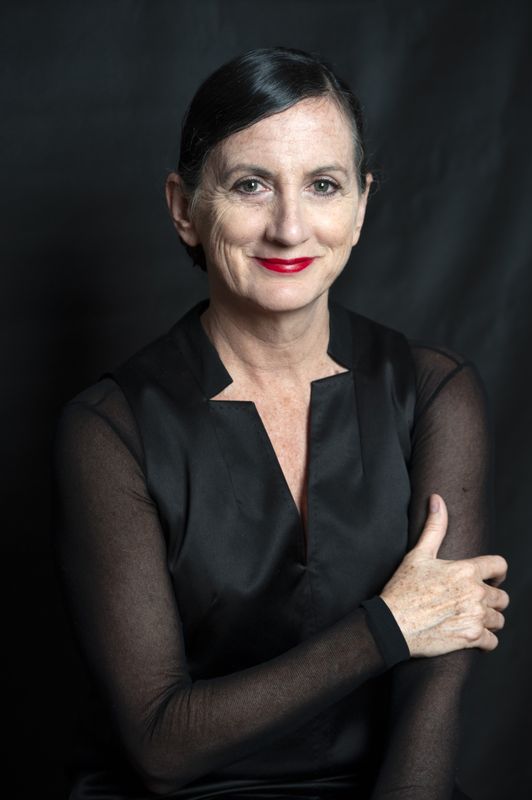
The Australian choreographer and dancer Meryl Tankard (70) explains that the original idea actually came from Pina Bausch (1940–2009) herself, to revisit the iconic 1978 production Kontakthof decades later with the original cast: “Pina once mused about what it would be like if the original group were to perform this now-famous piece about the longing for tenderness and love again, but this time as a company of seniors.” That attempt at romance, expressed through bodies filled with life experience, stooped shoulders and grey hair, would give the work a new dimension. Yet the renowned German choreographer could not wait for her own dancers to reach old age. In 2000, she created a version with untrained performers aged between sixty and seventy-five: retired amateurs from various social and professional backgrounds, including several couples. “We did find it a little odd that she didn’t ask us then,” Tankard recalls, “but we understood that, in her eyes, we were still too young in our mid-forties.”
Echoes of the Original
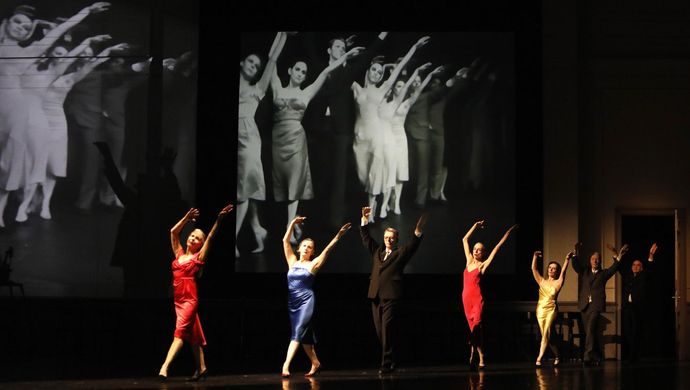
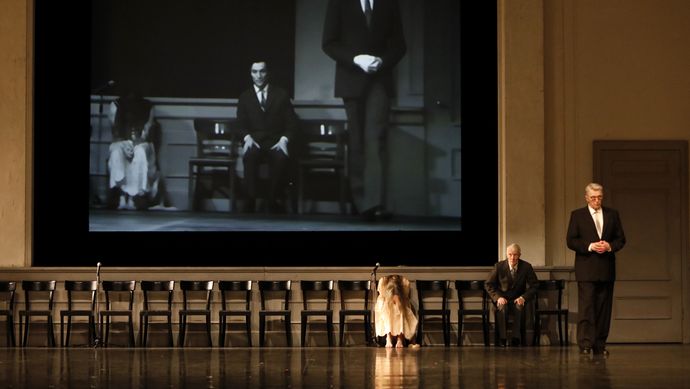
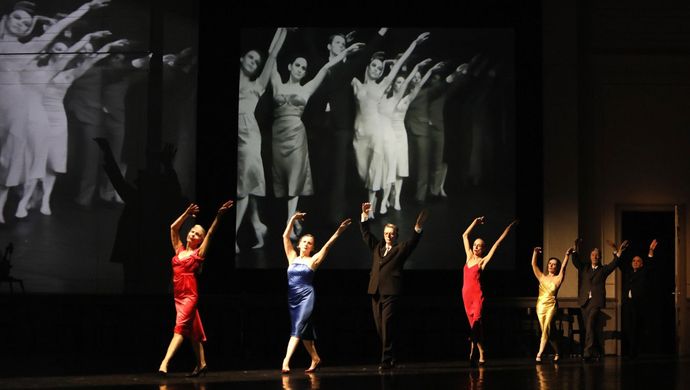
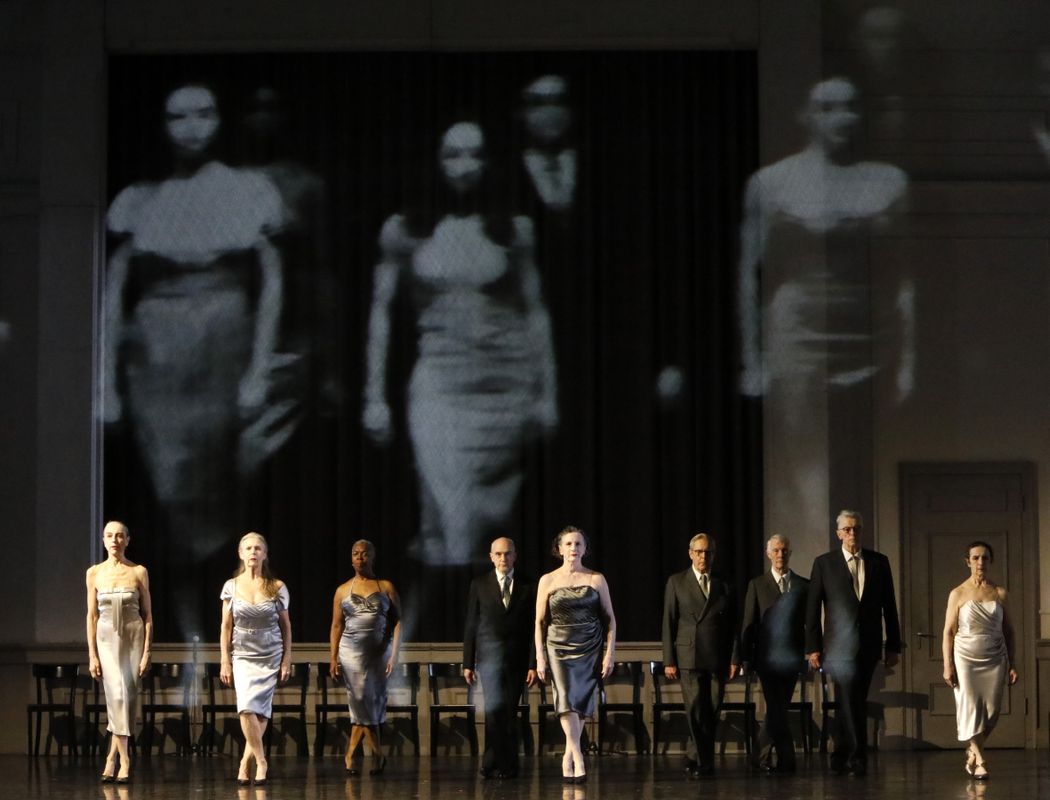
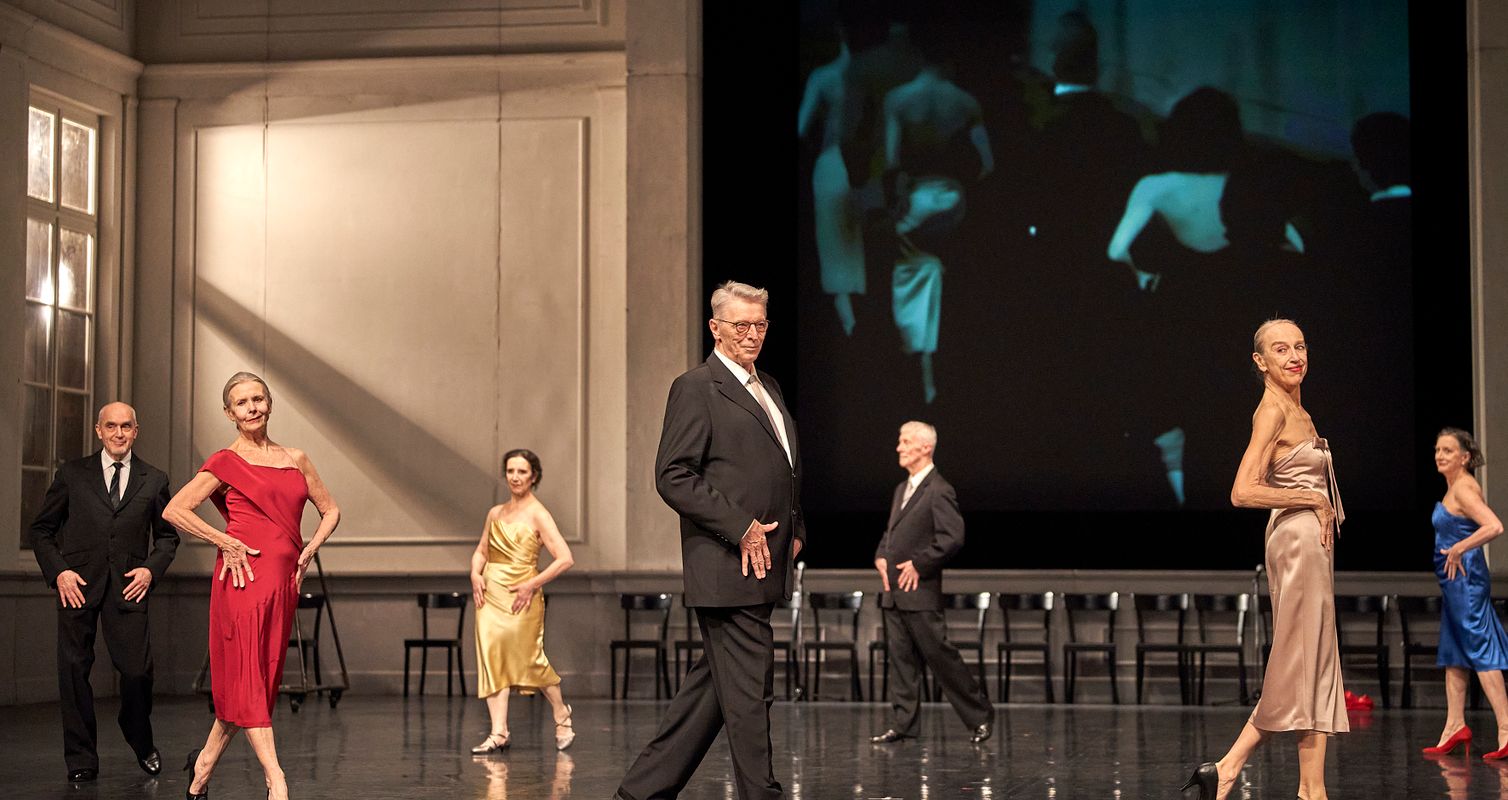
Now, more than fifteen years after Bausch’s sudden passing, just five days after her cancer diagnosis at age 68, that “dreamed-of” version has finally become a reality. Kontakthof – Echoes of ’78 (2024), created with nine of the twenty original cast members, will be shown in a select number of European cities and even travel to Shanghai. This has been made possible largely thanks to Tankard, one of those nine dancers. When Pina’s son Salomon Bausch (43), founder and director of the Pina Bausch Foundation, expressed doubts about how such a revival could be realised, Tankard proposed creating a shorter interpretation – two hours rather than three – with special emphasis on video footage of the 1978 original.
Absence and Tenderness
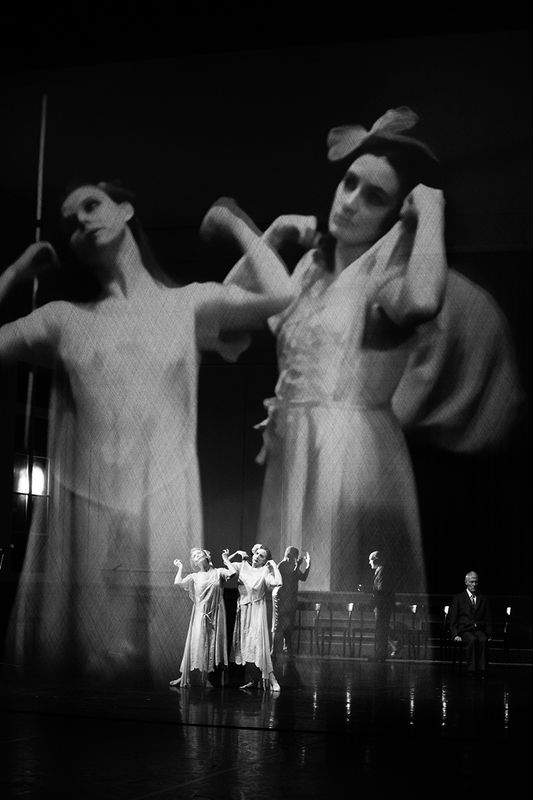
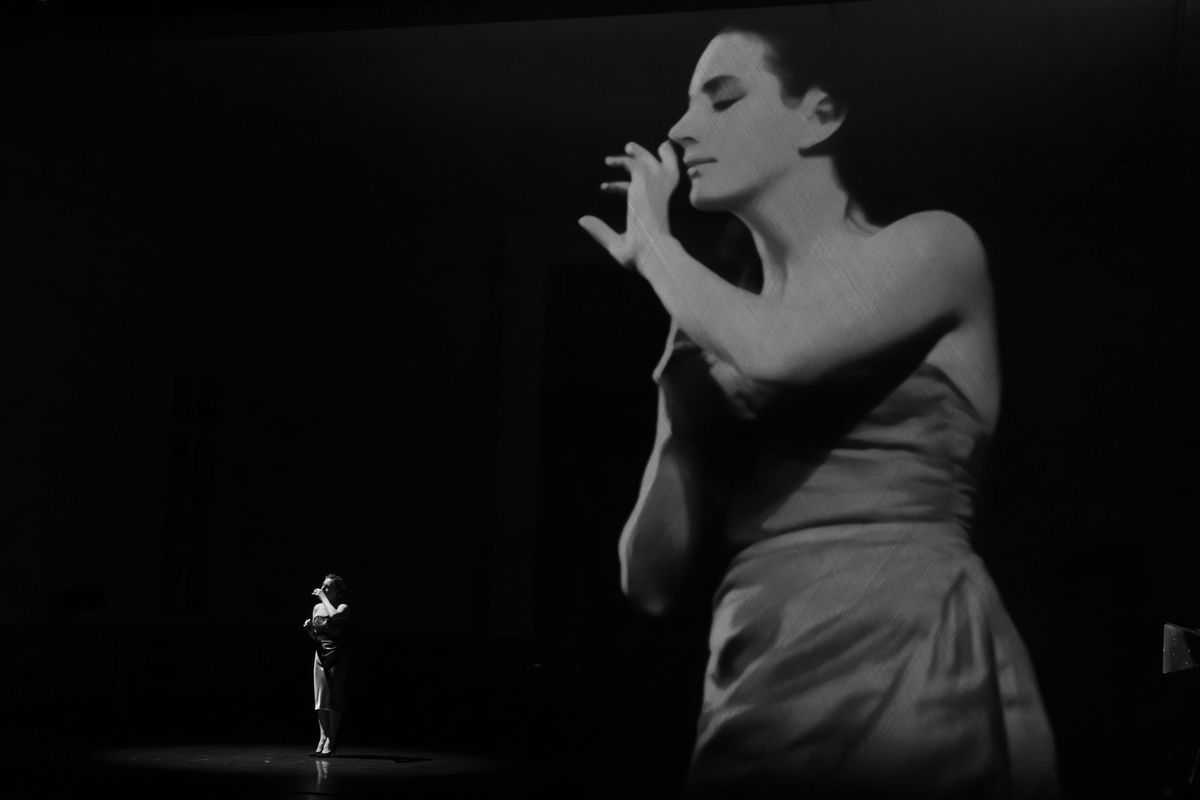
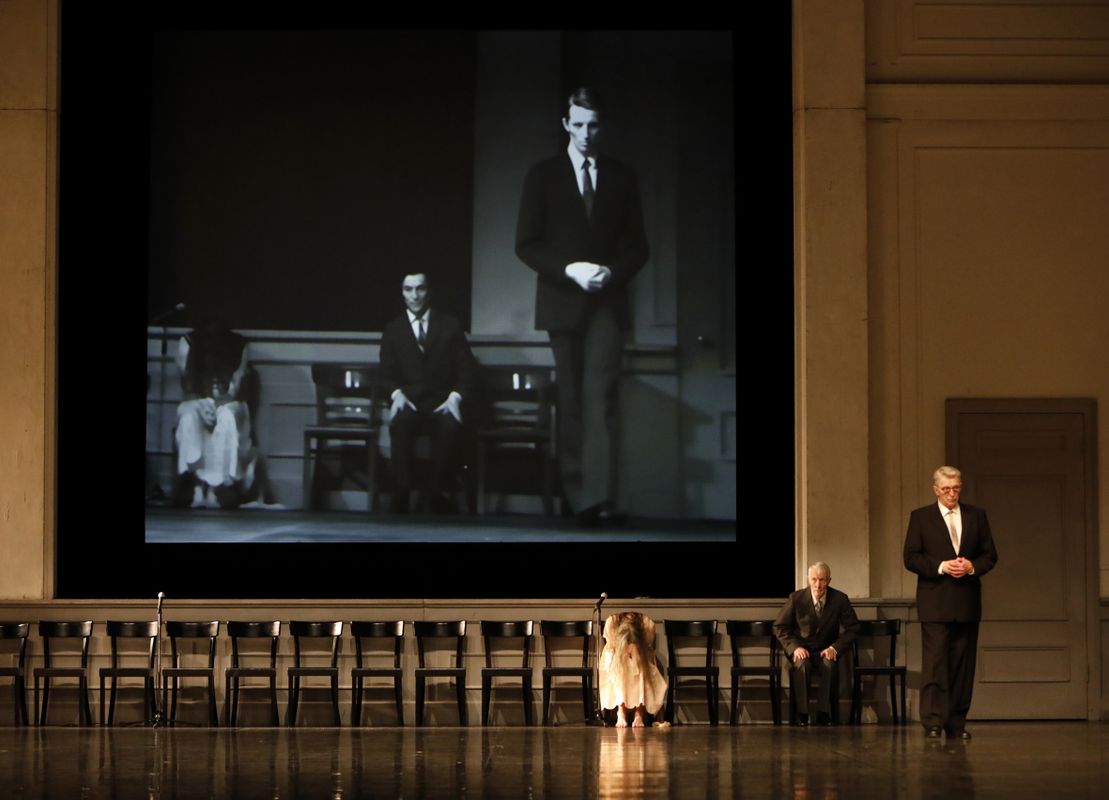
Those images exist thanks to Tanztheater Wuppertal’s set and costume designer Rolf Borzik (1944–1980), who filmed fragments of Kontakthof with a shoulder-held camera during rehearsals. “It isn’t a registration, but a collection of black-and-white shots, now projected onto gauze,” says Tankard. “The dancers who have since passed away, or who could not physically take part, appear on screen but not on stage. Their places remain empty, their chairs unoccupied. That absence intertwines with the longing for tenderness at the heart of Kontakthof.”
From Australia to Germany
Tankard recalls she had never heard of Pina Bausch before becoming a star dancer with Tanztheater Wuppertal in the late 1970s. At age 22, she travelled from Australia to Europe, her ticket funded by a choreography prize. “Three people, including my compatriot Jo Ann Endicott, told me: You must see Pina Bausch’s work – you and Pina will get along. I auditioned in Wuppertal, even though I had just signed with the Australian Ballet. After three anxious hours of dancing, Pina simply said: I’ll take you. I begged my company for three months’ leave – which turned into ten years in Europe, six of them with Tanztheater Wuppertal.”
Dancing with your younger self
During the making of Kontakthof in 1978, Bausch asked her dancers to improvise around themes of desire, but without facial expression. Every contradictory emotion – tenderness, disappointment, affection, aggression, machismo – had to be expressed through the body. “It was so overwhelming that I cried. And of course, Pina used that tear,” says Tankard. “The extraordinary thing is that, 45 years later, not only physical but also emotional memories return. Everyone is dancing with their younger selves. We are in dialogue with the past.” Hence the new title: Kontakthof – Echoes of ’78, co-produced by Sadler’s Wells in London.
The ‘Kontakthofs’
The bright pink gowns worn by Tankard and Endicott in Kontakthof were inspired by documentary footage of Malaysian girls in Bangkok during the Vietnam War, dancing in halls where men could approach them. “They danced, numbered, in exactly those dresses.” In Germany too, so-called Kontakthofs existed, another source of inspiration for Bausch. “But she never explained the meaning of her work – not even to us. We knew as little as anyone else, but she gave us freedom to play with the theme.”
Legacy
Looking at the group of nine dancers now performing Kontakthof – Echoes of ’78, Tankard notices that none of the men have children, just like herself. “I never made time for motherhood – that was my sacrifice for a long career as a dancer, choreographer and artistic director of my own company. I’ve promised myself never to regret that, even though I see the pride Jo Ann and Elizabeth take in their beautiful children. Everyone leaves their own kind of legacy.”
More Kontakthof - Echoes of '78
Agenda
-
-
Wed 15 Oct ’2519:45 - 21:45Danstheater
-
Thu 16 Oct ’2519:45 - 21:45Danstheater
-
Sat 18 Oct ’2519:45 - 21:45Danstheater
-
Sun 19 Oct ’2515:00 - 17:00Danstheater
-
-
-
Sat 11 Oct ’2511:00Filmhuis Den Haag
-
Fri 17 Oct ’2519:00Filmhuis Den Haag
-


More Amare Stories