Kidal as a source of memory, resistance and musical transmission
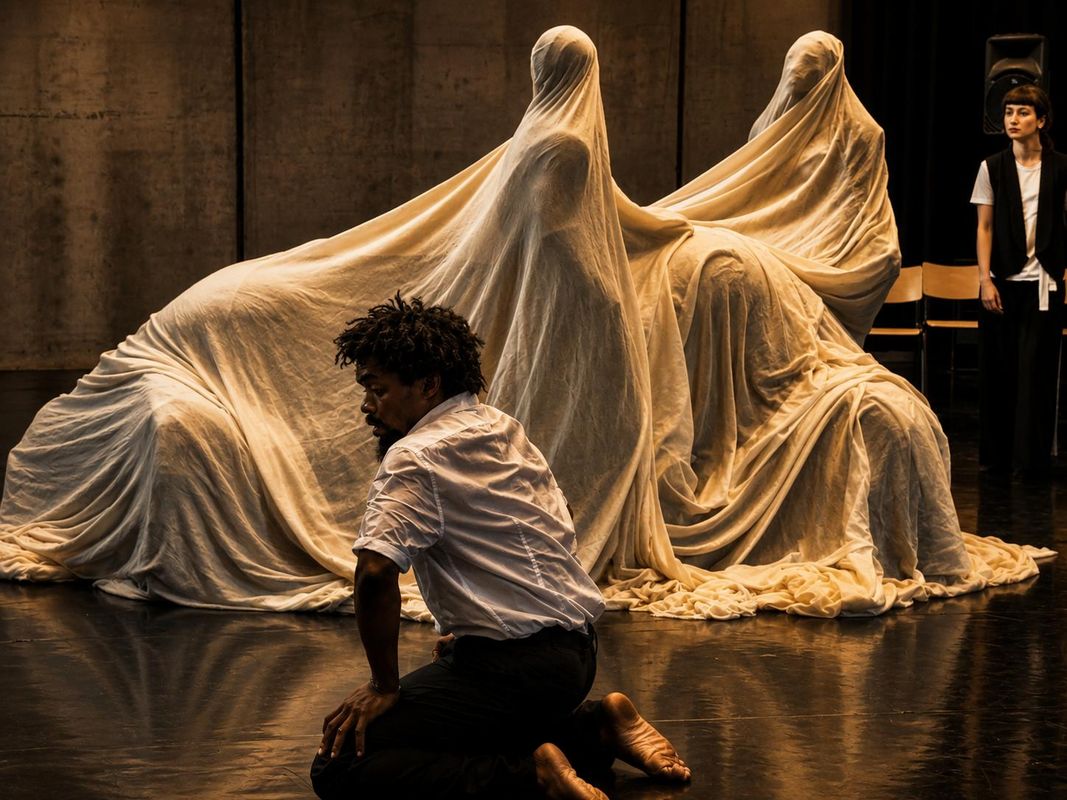
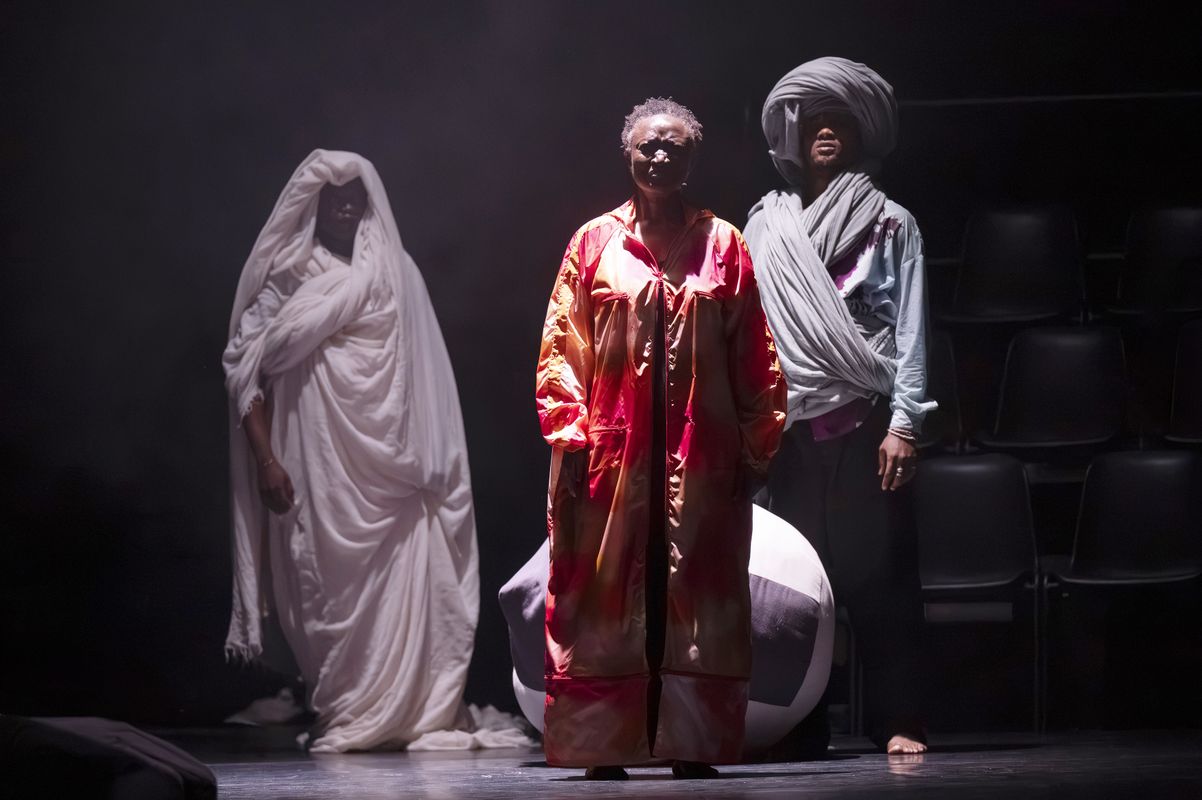
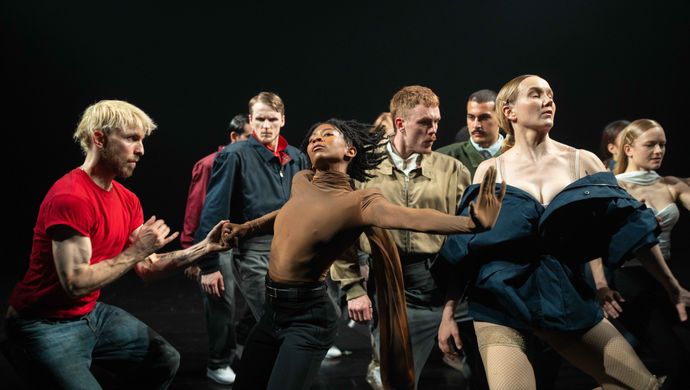
Back to Kidal is a work of theatre, music, dance and video. In this odyssey, Kidal becomes more than a geographical place: it is a source of memory, resistance and musical transmission. Located in what was once the eastern frontier of the Mali Empire, the city and its surrounding territory possess an ancient musical culture. From this history, Coulibaly explores how the blues, rooted in traditional Manding, Fulani and Yoruba songs, became a universal language of modern African history.
The blues is not treated as a reference here, but as a living substance. The music carries fragments of human histories, open wounds and enduring forms of resistance. At the same time, Back to Kidal is not a work of despair. Despite everything, Coulibaly tells a story of joy, hope and strength: the forces that made perseverance possible and that can now be shared with the world.
A physical language for freedom, dignity and collective force
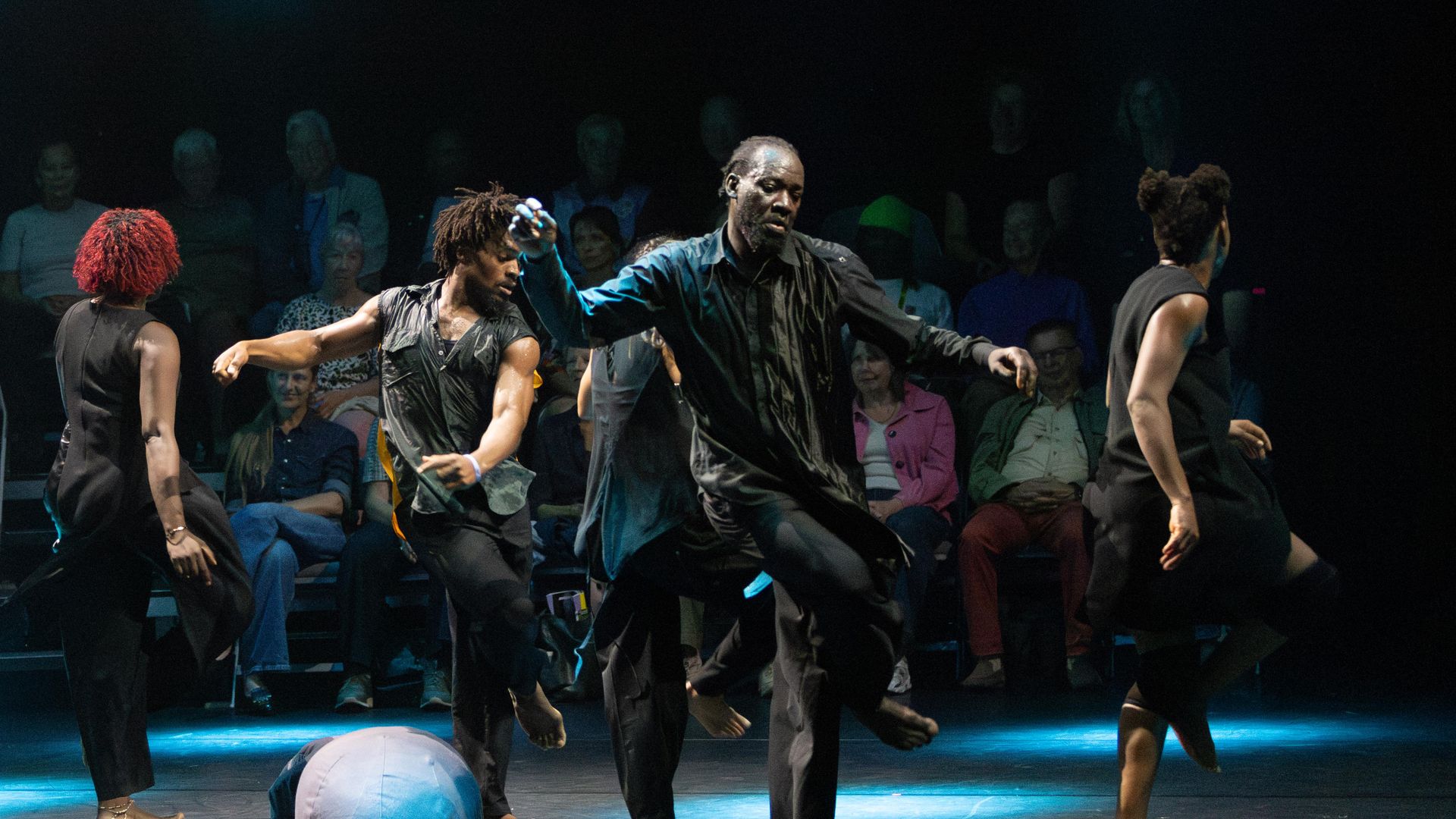
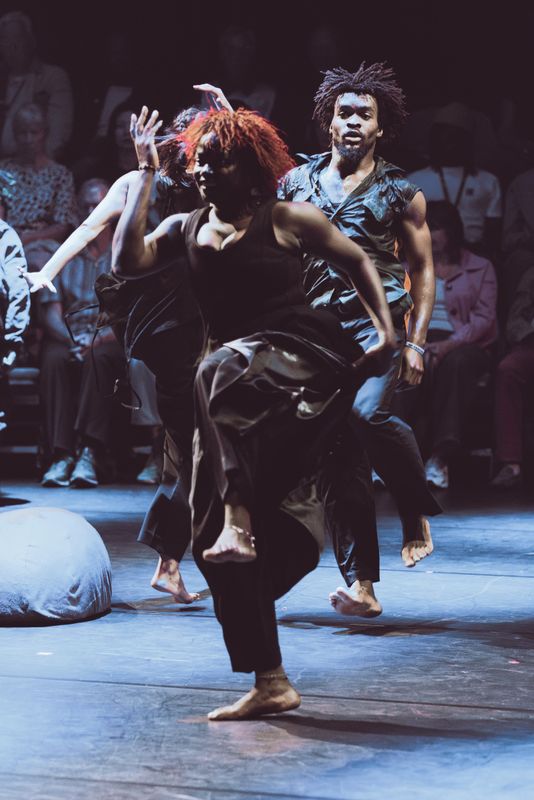
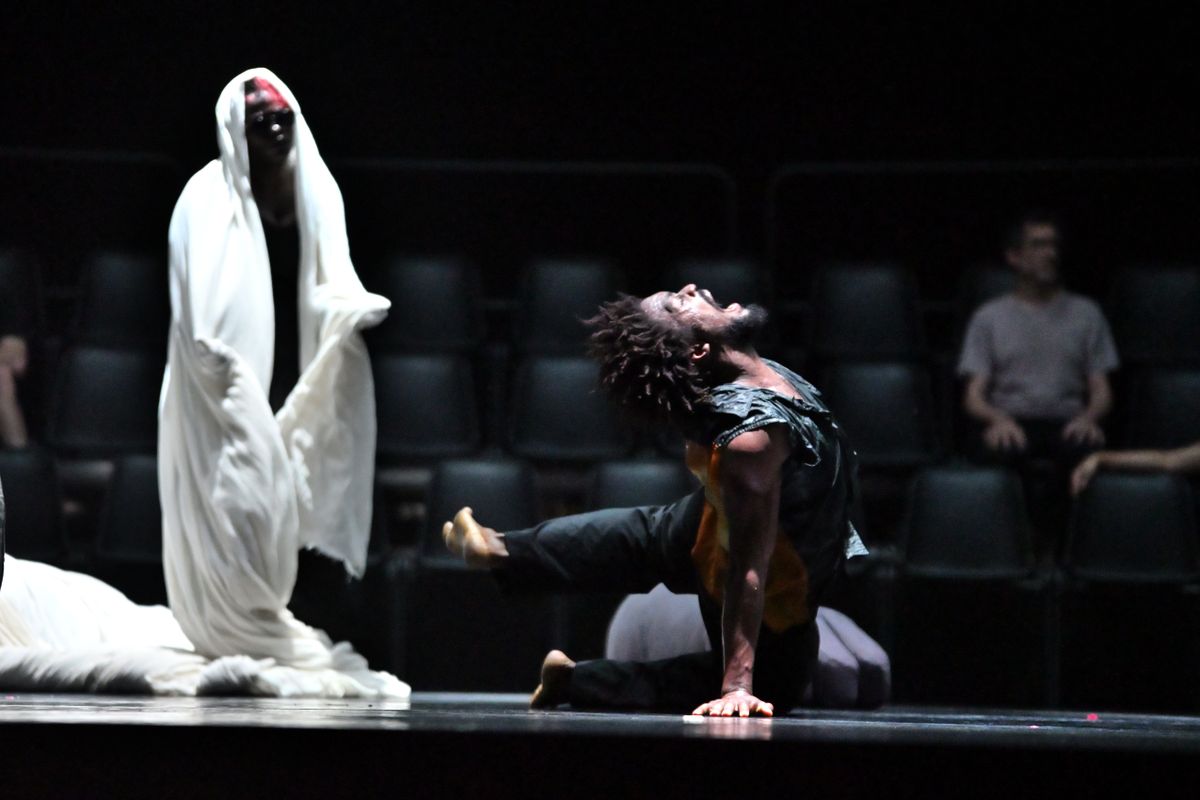
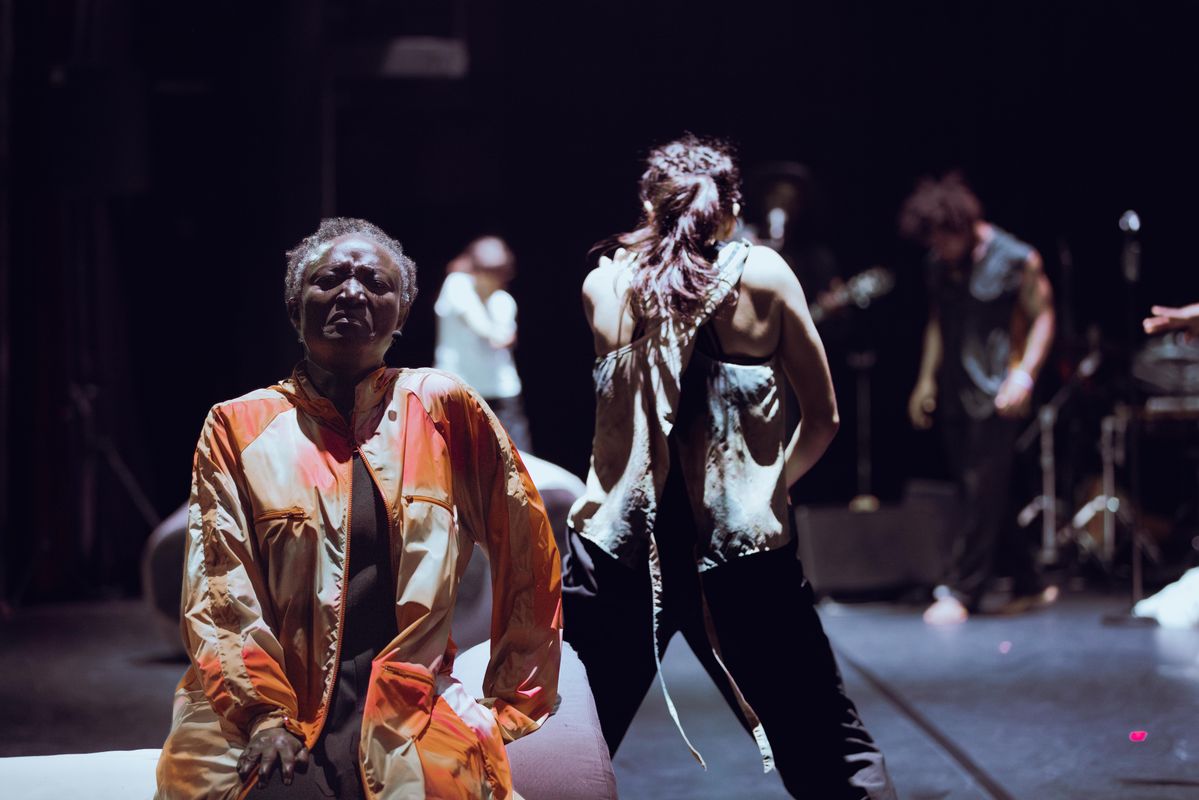
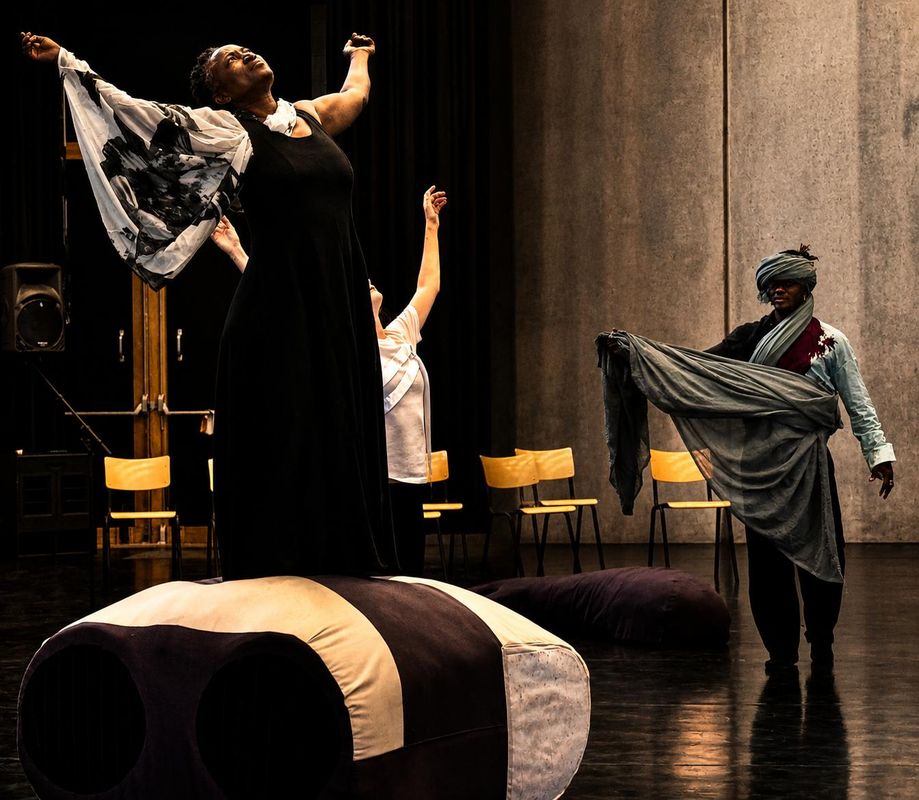
The choreography is performed by six dancers from Faso Danse Théâtre. Coulibaly’s dance language is physical, rhythmic and deeply human. In Back to Kidal, he searches for a form of movement that reaches the core of humanity: precise, intense and driven by urgency. The dancers move between individual force and collective energy, between memory and future.
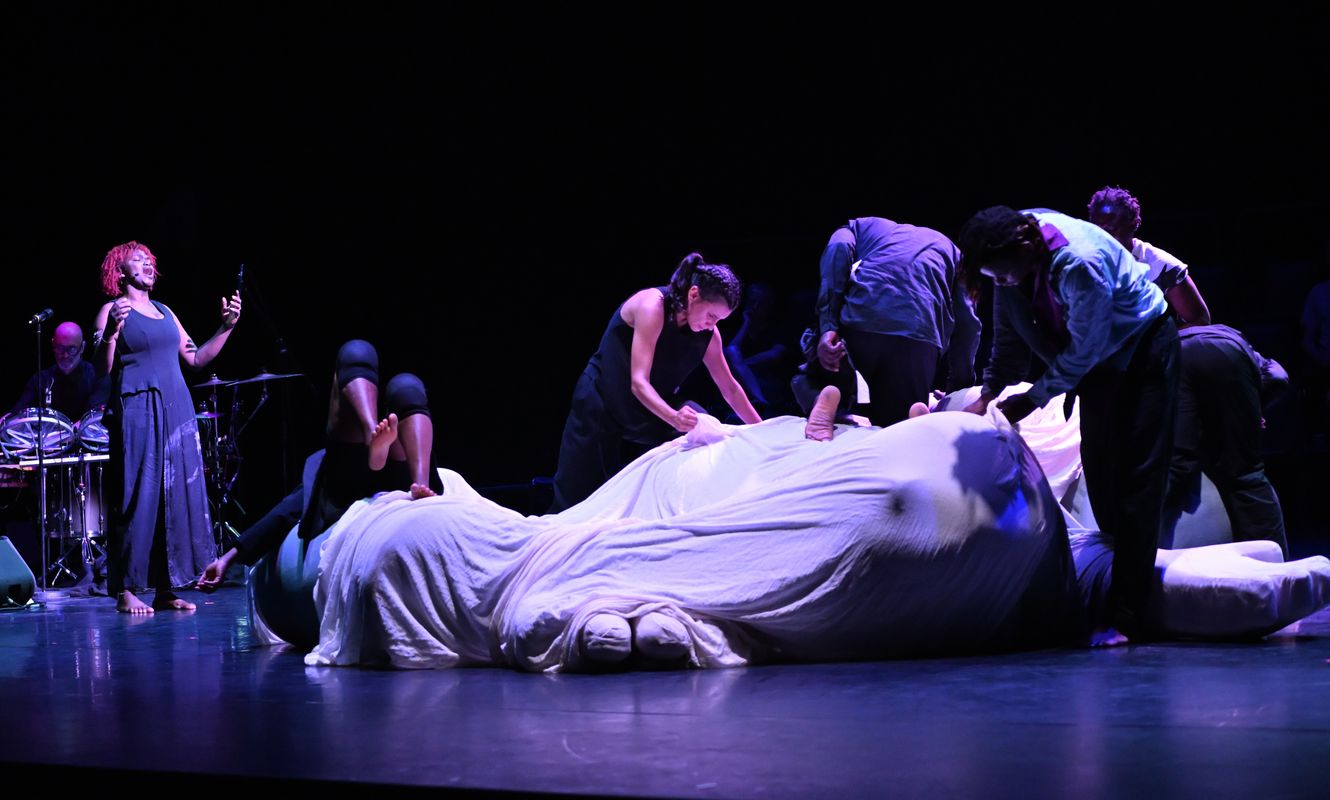
Music forms the backbone of the performance. Patrick Kabré has spent years exploring Sahelian blues, while Yvan Talbot, also known as Doogoo D, weaves voices, textures and rhythmic tensions into a layered soundscape. Singer Niaka Sacko adds a powerful vocal presence. Together, they create a musical language that is rooted yet constantly evolving.
Audience and performers share the space of memory
In Back to Kidal, spectators are not only seated in front of the stage. Part of the audience is placed directly on stage, close to the performers. Through dance, song, spoken word and video, the boundary between performer and spectator begins to dissolve. The result is an immersive experience in which you do not simply watch a history of struggle, but experience it from within.
Text and spoken word are performed by actress Odile Sankara. Her voice carries memory, strength and imagination, and highlights the role of women in the struggle against slavery, colonialism and oppression. Their songs, words and gestures continue to nourish the hope that drives this journey towards dignity and freedom.
“We have come a long way in the struggle for justice, but we still have a long way to go.”
- Martin Luther King
Serge Aimé Coulibaly on Africa, the West and history that lives on
Serge Aimé Coulibaly is a choreographer, dancer and artistic director from Burkina Faso. With Faso Danse Théâtre, he creates work at the intersection of contemporary dance, theatre and live music. His performances are powerful, rhythmic and politically charged, exploring themes such as colonialism, migration, power, identity and collective memory. His internationally acclaimed works include Kalakuta Republik, Kirina, Wakatt and C la vie.
With Back to Kidal, Coulibaly continues his exploration of the relationship between Africa and the West. He creates a performance in which history is not told as a closed past, but as something alive in bodies, voices, rhythms and encounters.