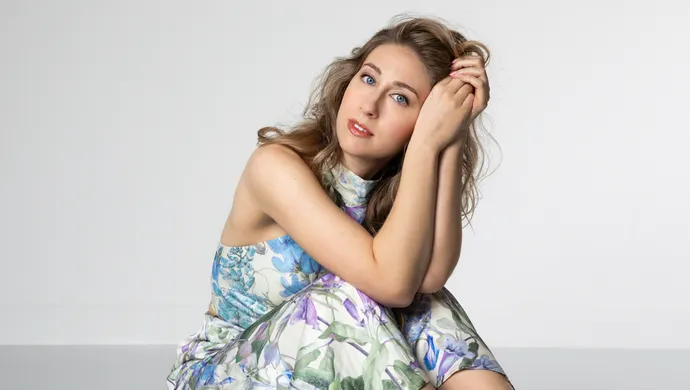

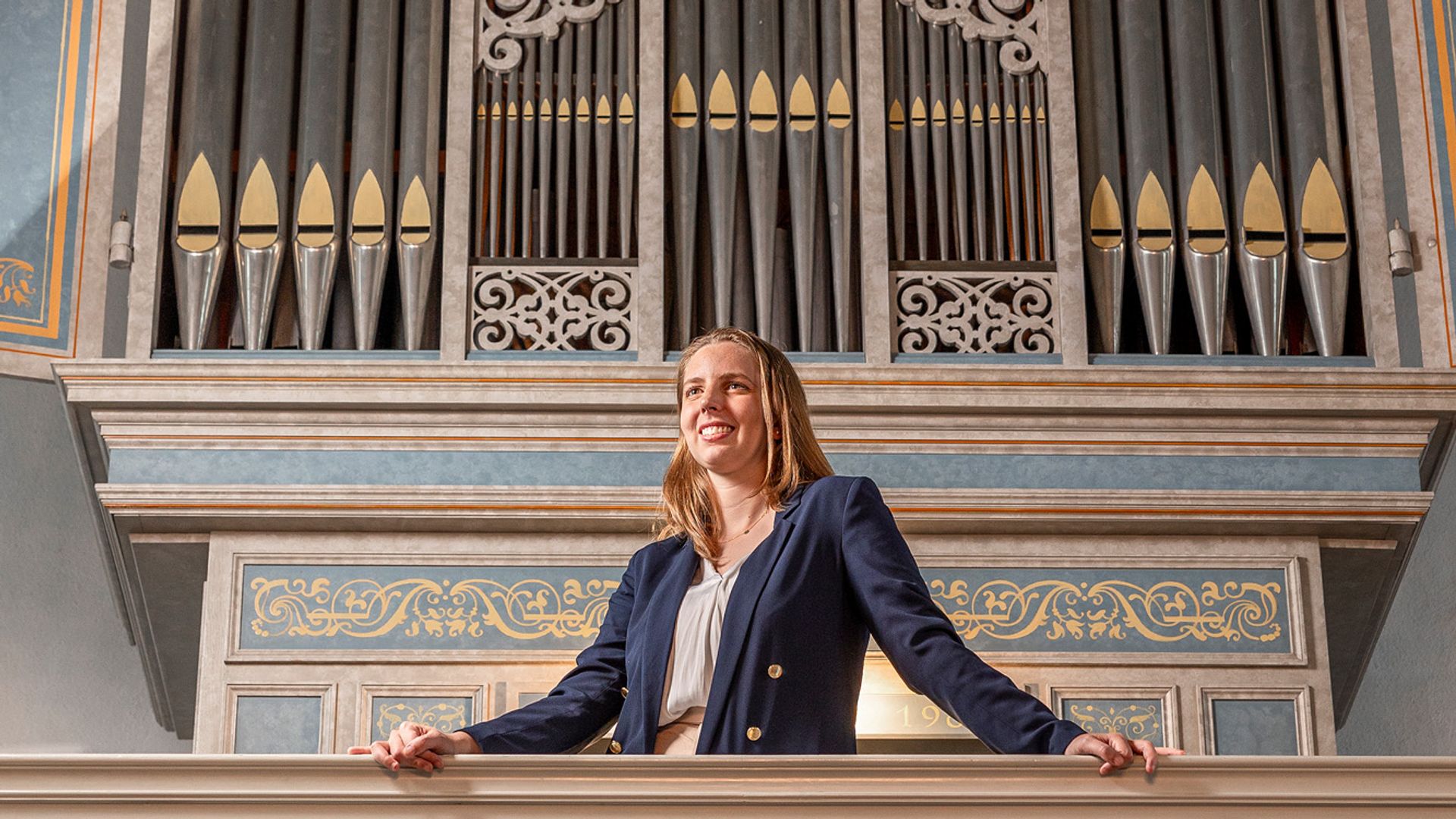
Francesca Ajossa explores the versatility of the organ in the series 'Organ in Dialogue'
31 March 2026, interview
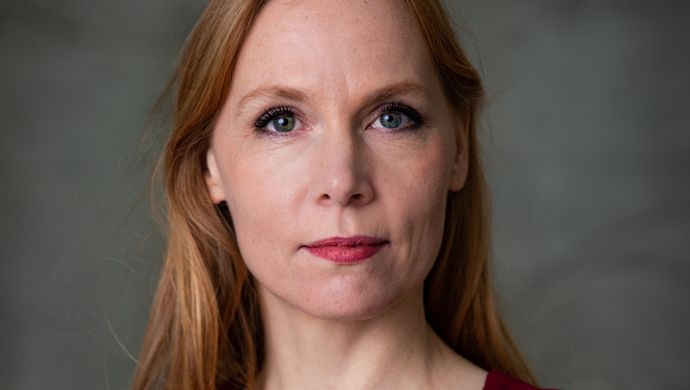
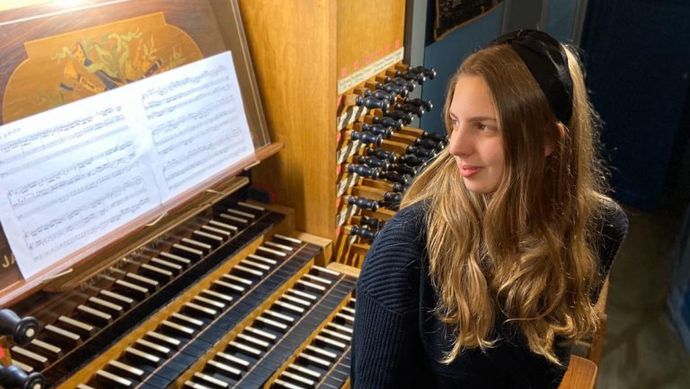
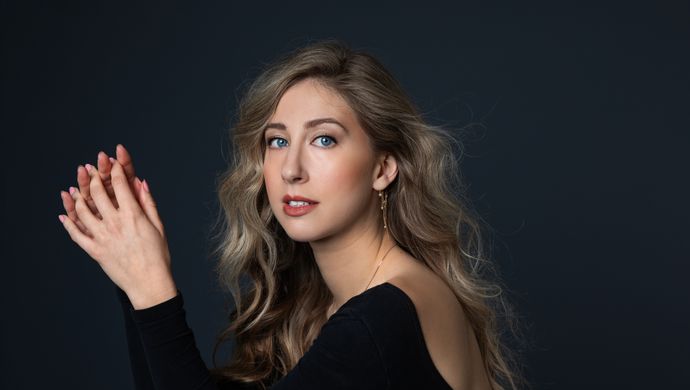
This season, as part of the Organ in Dialogue series, Francesca Ajossa will explore the versatility of the organ three times at De Nieuwe Kerk. Together with dancers, a string ensemble, and artist-in-residence Elisabeth Heatherington, among others, she demonstrates that the organ is much more than its old-fashioned, traditional church image. We spoke with her about her passion for the instrument, performing new repertoire, and what she is most looking forward to in this series.
When did you first encounter the organ, and what drew you to that instrument?
"I grew up in Italy, where you can start a program at the conservatory at age ten. During the admissions process, I was accepted for several instruments, including the organ. I was already familiar with it because my father played it as an amateur and because I attended an elementary school affiliated with a church, where the music teacher also played the organ. That’s why that instrument felt closest to me. I had never played it myself, but when I first experienced as a little girl what it’s like to play such a large instrument, it was truly a wow moment. You can do so much with it. That absolutely drew me to continue with it."
The organ is often associated with churches and tradition. You, too, were introduced to it through your teacher at school. What are your thoughts on this?
"That’s a big question in the organ world right now. There are sources from, among other periods, the time of the Reformation in the Netherlands that show that people back then actually disapproved of the organ being played in church. It was thought to distract too much from what really mattered. The emphasis was more on vocal music, because that was seen as the natural extension of prayer. The fact that an organ began to be played was really a point of contention back then.
That makes for a funny contrast with the fact that nowadays we strongly associate the organ with the church. Meanwhile, the church plays a slightly less prominent role in society, so it’s a challenge for us organists to also showcase the organ as a fully-fledged concert instrument, separate from the church. At the same time, it naturally remains connected to it, because the instrument is usually located in a church. That’s precisely why it’s wonderful to highlight both sides: the organ as both a church and a concert instrument."
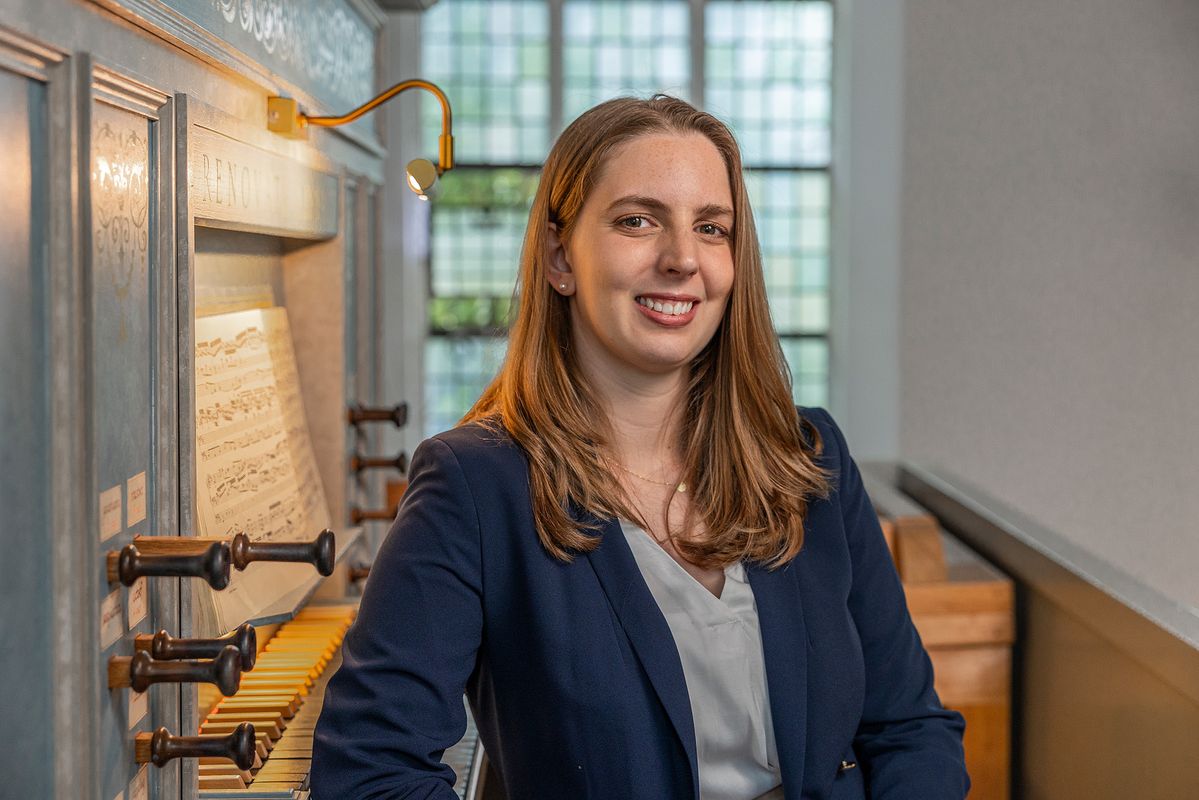
That fits perfectly with Amare’s new series: Organ in Dialogue, in which the organ engages in dialogue with other disciplines, such as dance, vocals, and a string ensemble. Do you find this inspiring?
"This is truly a personal wish of mine. I’m quite social and sometimes find it less enjoyable that you often play the organ alone. That’s why I always try to seek connections with other musicians and dancers. When I was studying at Codarts in Rotterdam, I lived with a dancer and loved collaborating with her. Dancers are, of course, also engaged with music, but in a completely different way, which can be a new source of inspiration for entering into a dialogue together.
I think this also offers a more human perspective on the organ, because the organist is often hidden from view. By combining art forms, the music reaches the audience in a different way than just through the static, sacred aspect. Moreover, a dancer can play with the space, thereby emphasizing it further and using it differently than when only an organist is playing. This gives the beautiful church interiors a new role in the concert, which I really enjoy. At the same time, the tradition of the instrument is connected to the contemporary, hopefully making it more accessible to a wider audience. So it’s actually a dialogue between art forms and across time."
It is a dialogue between art forms and across time.
As you mentioned, the organ is an instrument inextricably linked to the space in which it stands. How does a place like the Nieuwe Kerk influence your playing style?
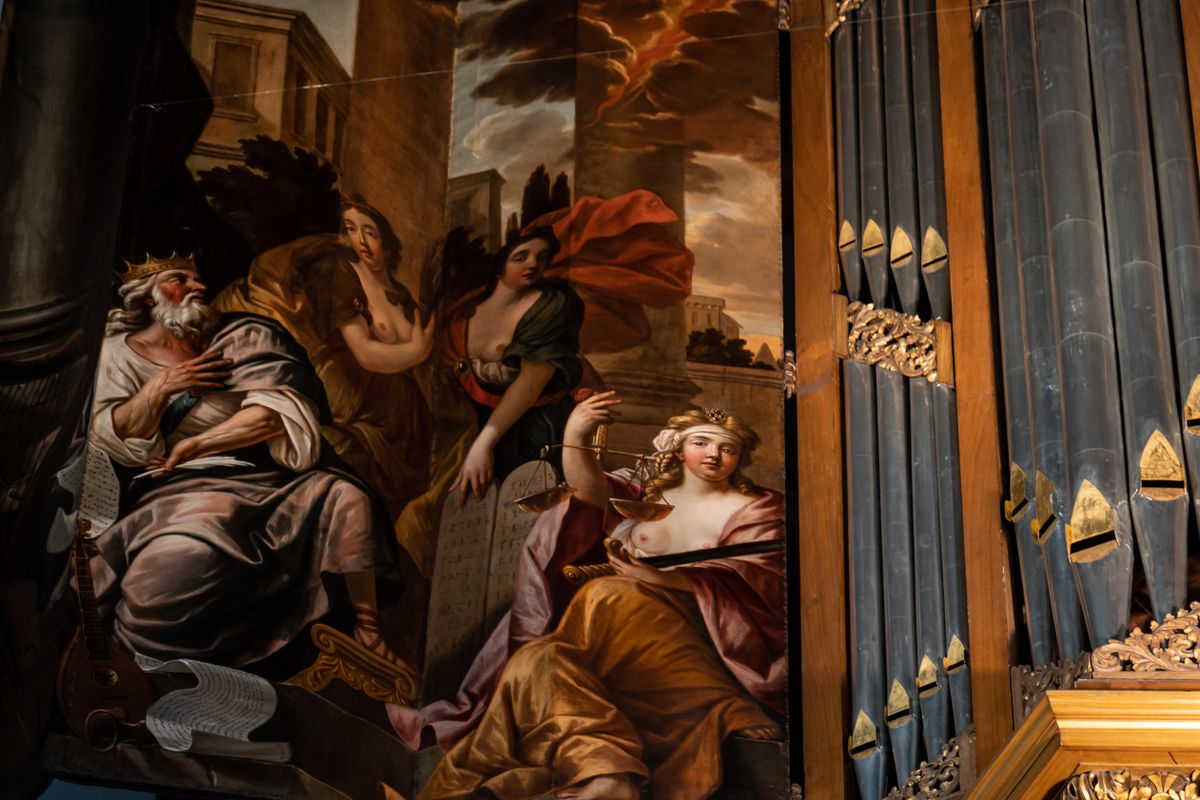
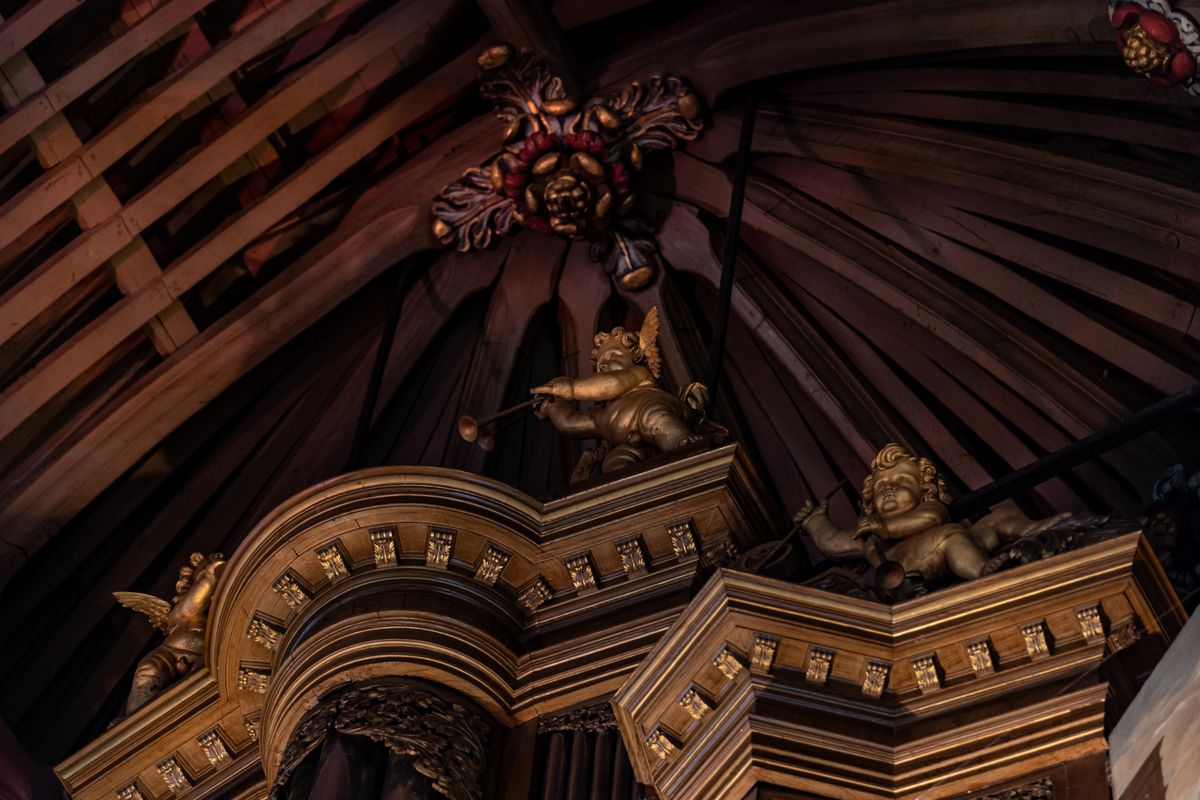
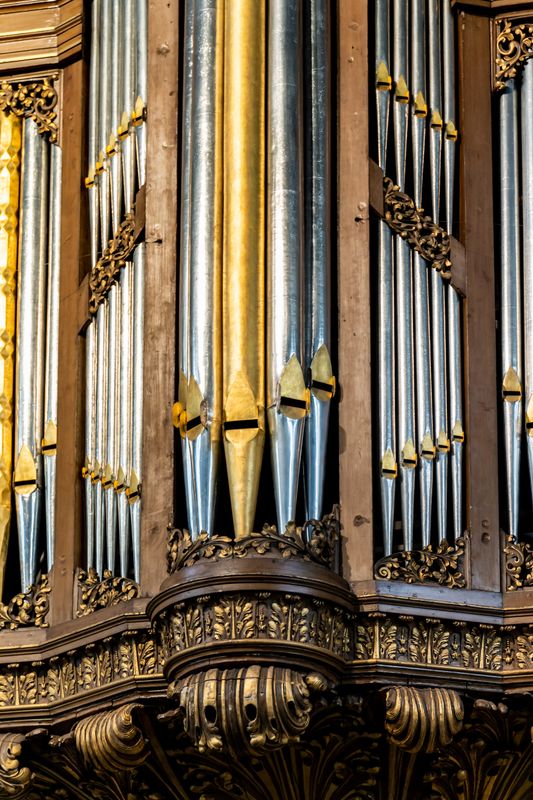
"It is sometimes said that the church is the organ’s sound box. If you were to place the same organ in a different church, it would sound very different. For an organist, that is always the challenge: how does what you play up there sound down below to the congregation? Tradition and history also play a role: what does this specific organ bring with it? What has this space witnessed? The organ can give a church a new purpose, even if it is no longer used for services. People still have a need for reflection, meditation, and contemplation, regardless of religion. I believe the organ can still support that."
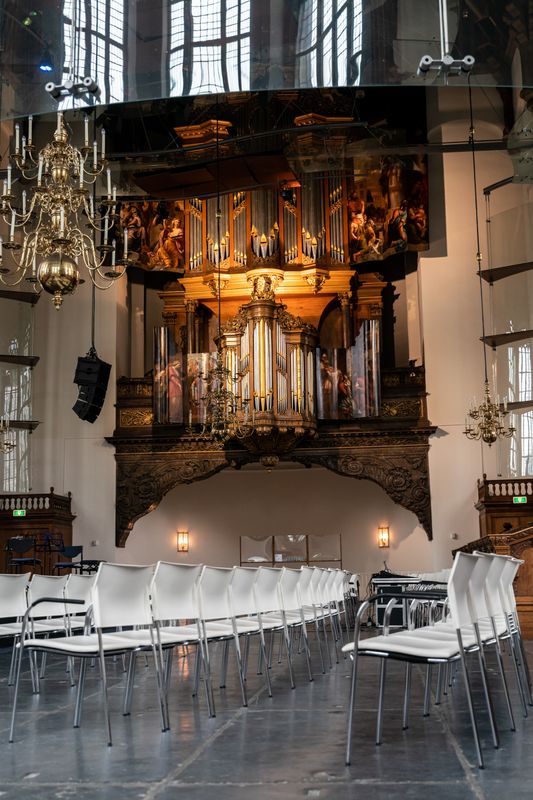
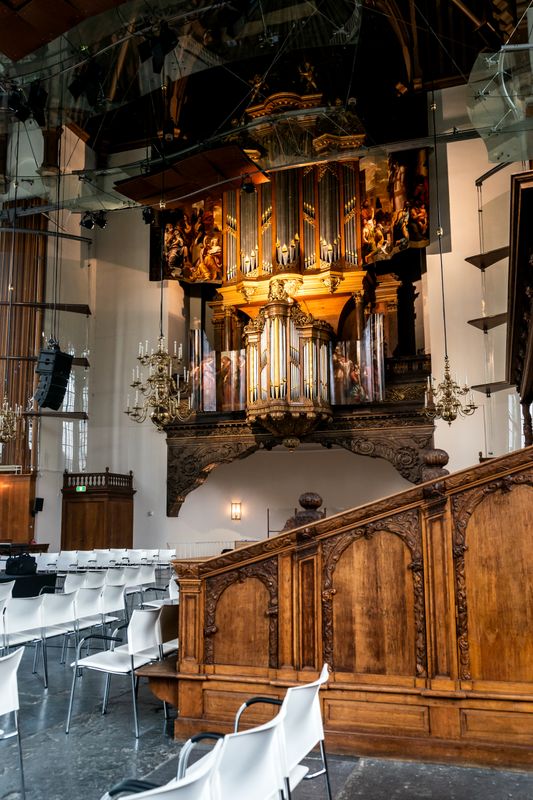
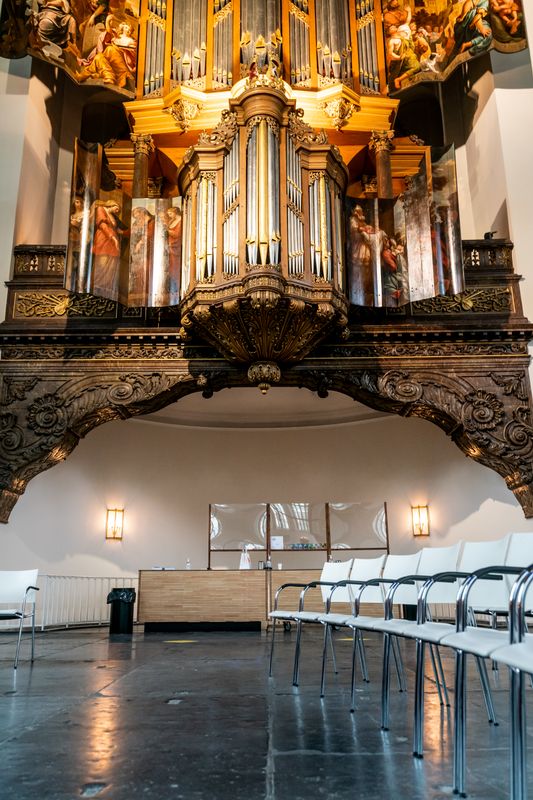
You play a lot of new repertoire and work across disciplines. Do you also feel a bit like an ambassador for the organ to a new generation of listeners?
(Laughs) "Yes, I try to show what I, as a young person, find so fascinating and beautiful about the organ. If I can convey that, maybe other people will find it beautiful too. The problem is still that the organ is unfamiliar to many, so I hope to introduce it to people who may have never been to church and show them that it’s not just that static, old-fashioned, churchy instrument they might think it is. By playing new music and working in an interdisciplinary way, you can actually reach an audience that might not have come for the organ, but rather for the combinations with other art forms. That way, they too can discover the organ and look beyond the traditional image it still has today."
What do you hope those first-time visitors will take away with them at the end of the evening?
"Hopefully, they’ll discover the versatility of this instrument. You can accompany psalms and classical concerts, but you can also perform a concert focused on sound art. It’s very different, but the organ lends itself perfectly to that. It’s an incredibly versatile instrument, and every performance is different, so let yourself be surprised by all the possibilities this versatile musical machine offers."
Organ in Dialogue in the Nieuwe Kerk
Organ and Orchestra: Conflict and Dialogue
Francesca Ajossa with Soundwave Collective & Libia Hernandez
Organ and voice: Light and darkness
Elisabeth Hetherington, Francesca Ajossa & Koninklijk Conservatorium Den Haag
More Amare Stories