
International, Hague-based, and full of contrasts: this is how Saskia Lankhoorn is curating the new classical music season
April 7, 2026, interview
Amare’s 2026/2027 classical season has gone on sale. How do you put together a program that is at once international, contemporary, accessible, and rooted in the city? Programmer Saskia Lankhoorn explains how she shaped the new season: discussing climate as a theme, collaborations with ensembles from The Hague, and the search for excitement, contrast, and new audiences for classical music.
How does the classical lineup for the upcoming season fit with the character of Amare and the city of The Hague?
An overarching theme in the new classical season is the exploration of contrasts in the repertoire and the thematic treatment of recurring patterns. Climate as a theme which I see reflected in much of what I’m offered, and which is, of course, a pressing issue. I have incorporated this overarching theme into two contrasting works that serve as anchors in the main program: Handel’s Water Music and Steve Reich’s The Desert Music. The iconic Water Music will be performed by Gli Incogniti: Amandine Beyer’s world-class international ensemble. The Desert Music is largely rooted in the city, because in addition to a magnificent performance by the Netherlands Chamber Choir, I’m providing a stage for a Sing-Along Day during the day, and the Hague Toonkunst Choir will present a special opening program. The Hague can literally make its voice heard, and classical music is made accessible to everyone. This creates a beautiful circle: Amare provides a stage for both international top-tier artists and musicians from our own city. What’s interesting is that ensembles from The Hague and students from the Royal Conservatory are also participating in the performance of The Desert Music, so our city is represented both in public spaces and in the concert hall.
When programming, do you look for contrast or rather cohesion? Can you give us a glimpse into that?
I program as broadly as possible. In a versatile and open building like Amare, that’s entirely possible: from Renaissance to contemporary music, from a small string quartet to a large orchestra. That breadth naturally creates contrasts. It is precisely that contrast that I find important, because it creates tension. Good music has tension, and so does good programming. That sense of curiosity - what am I going to experience? - is exactly why you want to go to a concert. Moreover, good performers have an energy that holds your attention. That makes you want to keep listening, even if you might not yet know exactly what you’re going to hear.
Do you also take risks in your programming? Why, and with which concert?
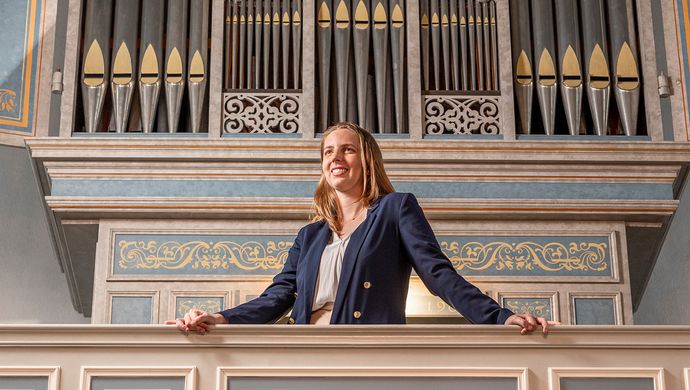
What’s risky for one person might not be at all for another. I strive to showcase as many different perspectives as possible. Amare is perfectly suited for this; we have many in-house partners here who can complement one another. This season, I’m exploring collaborations with Elisabeth Hetherington and Francesca Ajossa, among others. For instance, in the series Organ in Dialogue, we’re spotlighting the exceptional Duyschot/Witte organ in the Nieuwe Kerk. Organist Francesca Ajossa gives the instrument a voice and collaborates in this program series with singers, dancers, and string players. In the new series Ik ben Elisabeth, Amare presents Elisabeth Hetherington as artist in residence. She, too, will engage in various collaborations in her programs, including with the Royal Conservatory, the Residentie Orchestra, and Writers Unlimited. In collaboration with Daniele Zawadi, she is creating new lyrics for Robert Schumann’s Frauenliebe und Leben, a text that has become somewhat dated several centuries later, while the music remains so beautiful and timeless. Those are precisely the sounds I love to share: quality and vision, yet accessible and attentive to the audience.
What kind of experience do you want visitors to take home with them afterward?
Every concert is a unique experience. Sometimes you’re overwhelmed by how masterfully someone plays and become completely absorbed in the music. Other times, you want a concert to make you think or surprise you with something new. All concerts at Amare offer virtuosity and quality, but how you experience them varies. In the Nieuwe Kerk, you engage in conversation with musicians and ask questions; in the Conservatoriumzaal, the experience is more theatrical; and in the Concertzaal, you experience music together with a thousand others. Whether it’s a stage with a pianist, a semi-staged setting, a stunning lighting design, or an exceptional stage set, variety makes every concert special, whether you’re visiting for the first time or are a seasoned concertgoer.
Can you get a taste of all those different styles with this season’s series?
Absolutely. The series offer a rich variety: you can choose from the world’s leading virtuosos, The Hague’s own musical treasures, artists breaking new ground, opera, film, and intimate music. By attending multiple series, you’ll discover the best that contemporary classical music has to offer throughout the Amare building and in the Nieuwe Kerk.
How will you entice people in their twenties to attend a classical concert this coming season?
This year, we are introducing a new neoclassical program series at the Nieuwe Kerk: a genre that is popular with younger generations. It’s important that their voices are heard and that this audience experiences how special live music is, because it’s so different from listening through headphones! Think, for example, of Max Richter’s Vivaldi Recomposed—The New Four Seasons in the Concert Hall or the neoclassical concerts in the Nieuwe Kerk.
And which concert would you recommend to someone who thinks classical music “isn’t for them”?
That depends entirely on what someone is curious about. You can think big and immerse yourself in an opera like Philip Glass’s Waiting for the Barbarians, or join the new Music & Yoga miniseries, where you can experience beautiful music in a whole new way. Anyone who has experienced a concert at Amare and felt an artist’s dream come to life will return more often. And if you’d like, you can put together your own series based on what appeals to you. A tip: the concert hall is also a place to unwind. Give yourself time to dream, reflect, and let go of the clock. There are no rules for that!
Finally: what are you personally most looking forward to, aside from audience expectations?
I’m really looking forward to Isabelle Faust with the Basel Chamber Orchestra, to The Desert Music, in which the entire building will literally sing, to Obsession by La Tempête, and to the brand-new Queen Elisabeth Competition winner Nikola Meeuwsen. The new “I Am…” series with Elisabeth Hetherington, the superstars of Roomful of Teeth with Caroline Shaw, and beautiful Händel arias sung by Jeanine De Bique are also high on my list. In addition, the celebration of the Club of 90 and the minimal series are real highlights this season. Actually, I can’t choose at all…
A recurring theme runs through much of the repertoire: history repeats itself, patterns return, and old and new merge into something innovative. In minimal music, repetitive patterns ensure that you keep hearing new things as you listen. That combination of repetition and innovation, of old and new, forms the central theme of this season.
Saskia's favourites of this season
Agenda
-
TicketsWed 10 Mar ’2720:15


More Amare Stories